
The mechanics of Insurance Bets Function at GT Casino

I recall the initial time I heard the dealer announce “insurance” at a blackjack table across the UK. My initial thought was that it appeared as a practical safety net, and I nearly threw my chips on the felt instantly. After years of competing at online slots GT Casino, I have learned that this minor side bet is among the least understood moves in the whole game. It appears in that anxious moment when the dealer flips an Ace, and all players at the table immediately experiences a knot in their stomach. I want to walk you through exactly what is happening statistically and strategically when that insurance prompt pops up on your screen or at the live table.

The True Odds Behind the Insurance Proposition
I intend to remove the curtain on the maths because this is the place where the house truly shows its strength. In a standard deck of fifty-two cards, sixteen of them are tens or face cards, leaving thirty-six that are not. That ratio offers you a probability of roughly thirty-one percent that the hidden card is a ten-value, yet the payout is arranged as if the chance were one in three. For the bet to be fair, the odds need to reflect the actual distribution of cards remaining in the shoe. The casino establishes a significant house edge into this wager, typically standing at seven and a half percent depending on how many decks are in play. That is exceedingly higher than the basic blackjack house edge of roughly half a percent, making insurance a mathematically treacherous path.
Strategies for UK Players Who Want to Play With an Edge
My method at GT Casino’s tables revolves on a extremely simple rule that I use until the evidence tells me to depart. I ignore the insurance prompt entirely in almost every session, treating it as background noise that exists only to divert me from executing optimal basic strategy on my main hand. The savings I accumulate by avoiding that seven-and-a-half percent house edge accumulate wonderfully over hundreds of hands. For those of you eager in advancing beyond basic strategy, mastering to identify genuinely ten-dense shoes provides a real opportunity to change the tables on the house. Even then, I suggest only using insurance when the mathematical advantage is crystal clear and significant, never on a borderline hunch. Patience and control in the UK gaming scene are your most trustworthy allies.
Real-Time Dealer Blackjack and the Insurance Experience at GT Casino
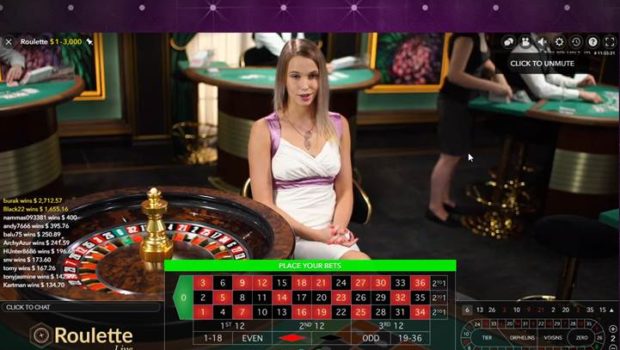
Engaging in at a live dealer table elevates the insurance drama because you can observe the dealer pause, scan the table, and ask each player individually while the camera catches every flicker of indecision. The feeling feels much fuller than clicking a button on a digital interface, and I find that the social pressure can nudge you toward making a snap choice you later regret. At GT Casino’s live blackjack rooms, the pace is purposefully measured enough that you have a moment to think clearly, use the chat function to ask a question, or simply refuse with a clear head. I employ that breathing room to remind myself of the cold arithmetic we just discussed, blocking out the theatrical tension that the beautifully lit studio environment can generate.
The Mental Pitfall That Catches Even Intelligent Players
I have seen many intelligent players crumble when that Ace appears because the insurance play leverages a strong human dislike of losing. Your mind shouts that you should protect your hard-earned twenty against a dealer’s potential blackjack, and the expression “even money” when you hold a natural is deliberately framed to sound irresistible. The casino recognizes you fear a push when you have already mentally counted that successful hand. Giving in to that fear costs you a staggering amount during a lengthy session, gradually draining your bankroll via a side door you never even knew was open. I always tell fellow UK players that emotional control at this precise moment is what separates the crowd from the consistent winners. Mastering that impulse is an essential step.
Additional Wagers That Appear as Insurance but Operate Distinctly
You might stumble upon variations of blackjack at GT Casino where the dealer’s Ace triggers choices beyond the classic insurance wager. Some tables introduce a “dealer bust” insurance or a side bet that rewards if the dealer gets a multi-card hand, but these are distinct beasts entirely with their own payout tables and house advantages. Do not let the familiar wording trick you into assuming the maths behaves alike. I always advise that players check the specific rules and pay tables before dropping chips on any side bet that employs the language of protection. The standard blackjack insurance we have been dissecting here is the most common, but inventive game designers appreciate packaging long-shot bets in reassuring terminology that implies a strategic safety net.
Insurance Is Just Insurance in a Elegant Suit
Let me clarify a mix-up I hear frequently from players visiting the tables at GT Casino. When you are dealt a blackjack and the dealer shows an Ace, they will often offer you “even money” rather than employing the word insurance. Practically, these two are identical twins wearing different outfits. Accepting even money means you take a certain one-to-one payout on your blackjack right now instead of gambling on the push if the dealer also reveals a natural. Behind the curtain, the casino is simply handling the insurance bet for you and settling it instantly. The maths remains unforgiving because you are forfeiting the twenty-five percent bonus that makes a natural blackjack so lucrative at the standard three-to-two payout. I reject even money almost every single time unless the count is exceptionally high.
If Taking Insurance Actually Makes Statistical Sense
There is a powerful exception to the general rule of skipping insurance, and it converts you from a ordinary punter into a sharp player. If you monitor the cards that have been dealt, you might recognize a circumstance where the remaining shoe is absolutely filled with ten-value cards. When the proportion of tens to non-tens changes so markedly that the true probability crosses that key threshold, an insurance bet turns from being a sucker’s wager to a positive expectation play. In everyday terms, this needs a count that indicates a significant surplus of tens and face cards relative to the neutral starting point. At GT Casino, whether you are playing on a live dealer table broadcasting from a UK studio or sitting at a virtual RNG game, understanding this nuance marks the gap between a recreational player and a seriously informed one.
In what manner Deck Composition Modifies the Insurance Equation
The quantity of decks in play at GT Casino directly affects how trustworthy your insurance decisions will be. Single-deck blackjack makes counting tens incredibly simple and allows a keen observer to exploit insurance opportunities with precise accuracy. The move to the six-deck or eight-deck shoes prevalent in UK online and live casino games lessens the impact of each individual card removed, rendering the critical threshold for profitable insurance much tougher to attain. You must have a far higher concentration of tens in a multi-deck game prior to the bet swings in your favour, and those situations are proportionally rarer. Understanding this scaling effect stops you from misjudging a mildly ten-rich shoe and making a costly error based on intuition rather than hard data.
What Exactly Is a Blackjack Insurance Bet
When you place an insurance bet at GT Casino, you are essentially making a entirely separate wager from your original hand. The dealer is inquiring if you want to bet that their hidden down card is a ten-value card, which would give them a perfect blackjack. The cost of this side bet is just half of your original stake, and it rests in a designated area on the layout distinct from your main bet. If the dealer does indeed flip over a ten, jack, queen, or king, the insurance bet pays out at odds of two to one. What makes this psychologically tricky is that you win the insurance money but lose your original hand unless you also hold https://en.wikipedia.org/wiki/The_Son_Also_Draws a natural blackjack. The whole proposition stands alone, disconnected from how well or poorly you played your own cards.
Why the Long-Term View Wins Every Single Time
I gauge my success not by a single exciting session where a lucky insurance bet might have saved my stack, but by the steady gathering of correct decisions over months and years. The casino establishes its empire on the millions of tiny edges it holds across countless hands, and insurance embodies one of its sharpest blades. Declining to hand over that extra half-bet unless the count justifies it is a quiet act of rebellion that keeps your expected losses far lower than the average punter. British blackjack players who treat the game as a long marathon rather than a sprint quickly understand that insurance bets are potholes on the road, not convenient shortcuts. Let the maths guide your hand, and you will find the insurance prompt becomes an easy, automatic “no” almost every single time it appears.
